

Hear from Our Customers
You’re not imagining it. That musty smell in the basement. The coughing that won’t quit. The allergy symptoms that flare up every time you’re home.
Mold doesn’t always show itself. It hides in wall cavities, under flooring, inside ductwork. And when it does appear, you’re left wondering how bad it really is—and whether the company testing it is the same one hoping to sell you a $10,000 remediation job.
That’s where independent mold testing matters. You get laboratory-backed results from a third party with no incentive to exaggerate the problem. Just accurate data about what type of mold is present, how much, and whether it’s affecting your indoor air quality. From there, you can make an informed decision about what happens next—on your terms, not ours.
We’ve been serving Fair Hill and Bucks County for years, and we’ve seen what happens when homeowners don’t get straight answers. They overpay for work they don’t need, or worse—they ignore a real problem until it tanks their property value or lands someone in the ER.
We’re not here to scare you into a sale. We’re here to test your property, send samples to an EPA-approved lab, and give you a clear report. If there’s mold, we’ll tell you what kind and where. If there’s not, we’ll tell you that too.
Fair Hill’s older housing stock—plenty of homes built before 1950—means moisture issues are common. Basements leak. Crawlspaces trap humidity. Roofs age out. We know the area, and we know what to look for.
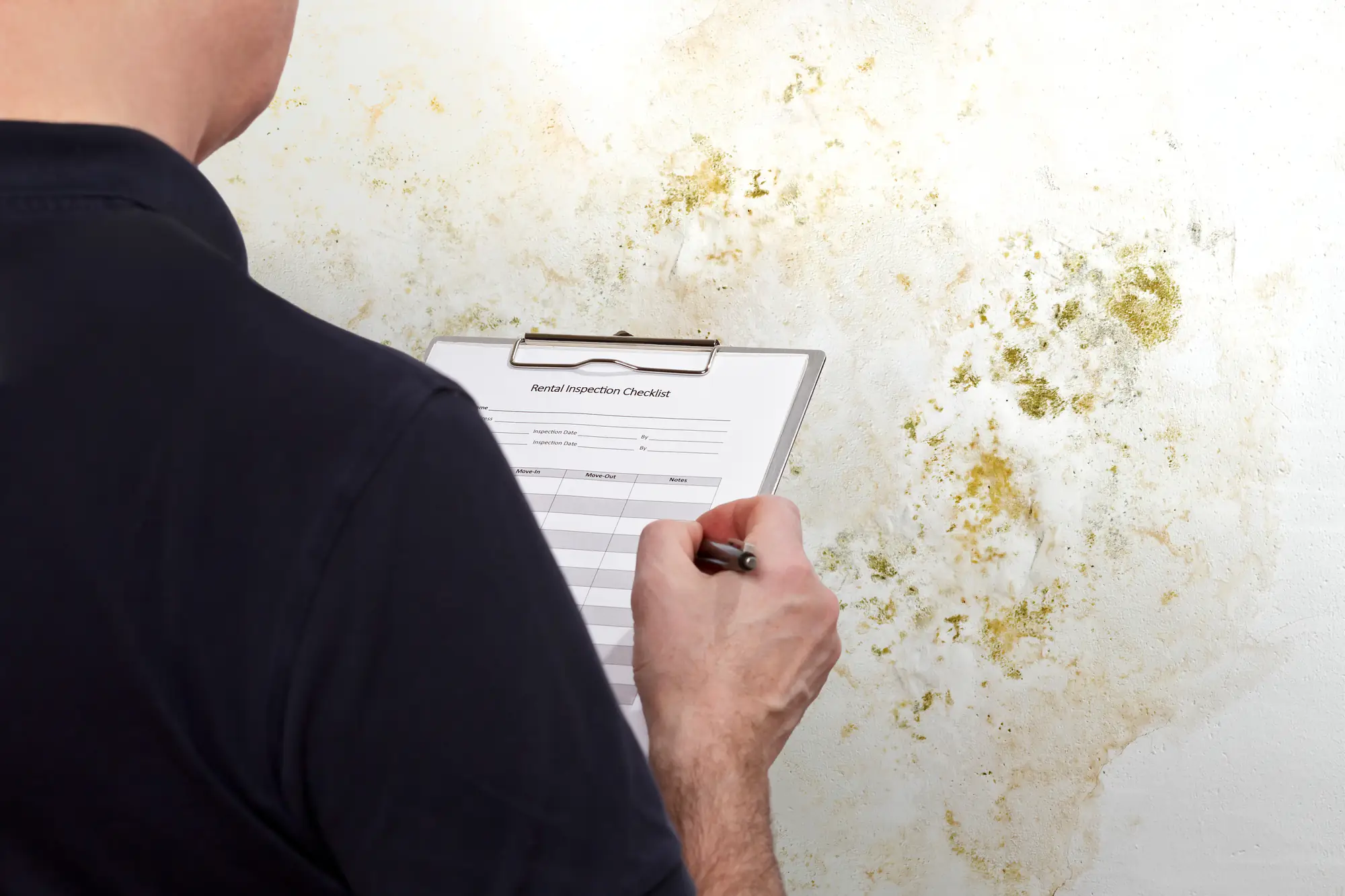
First, we schedule a time that works for you. No pressure, no runaround. When we arrive, we walk through your property and inspect the areas you’re concerned about—plus the ones most people miss. Attics, crawlspaces, behind appliances, inside HVAC systems.
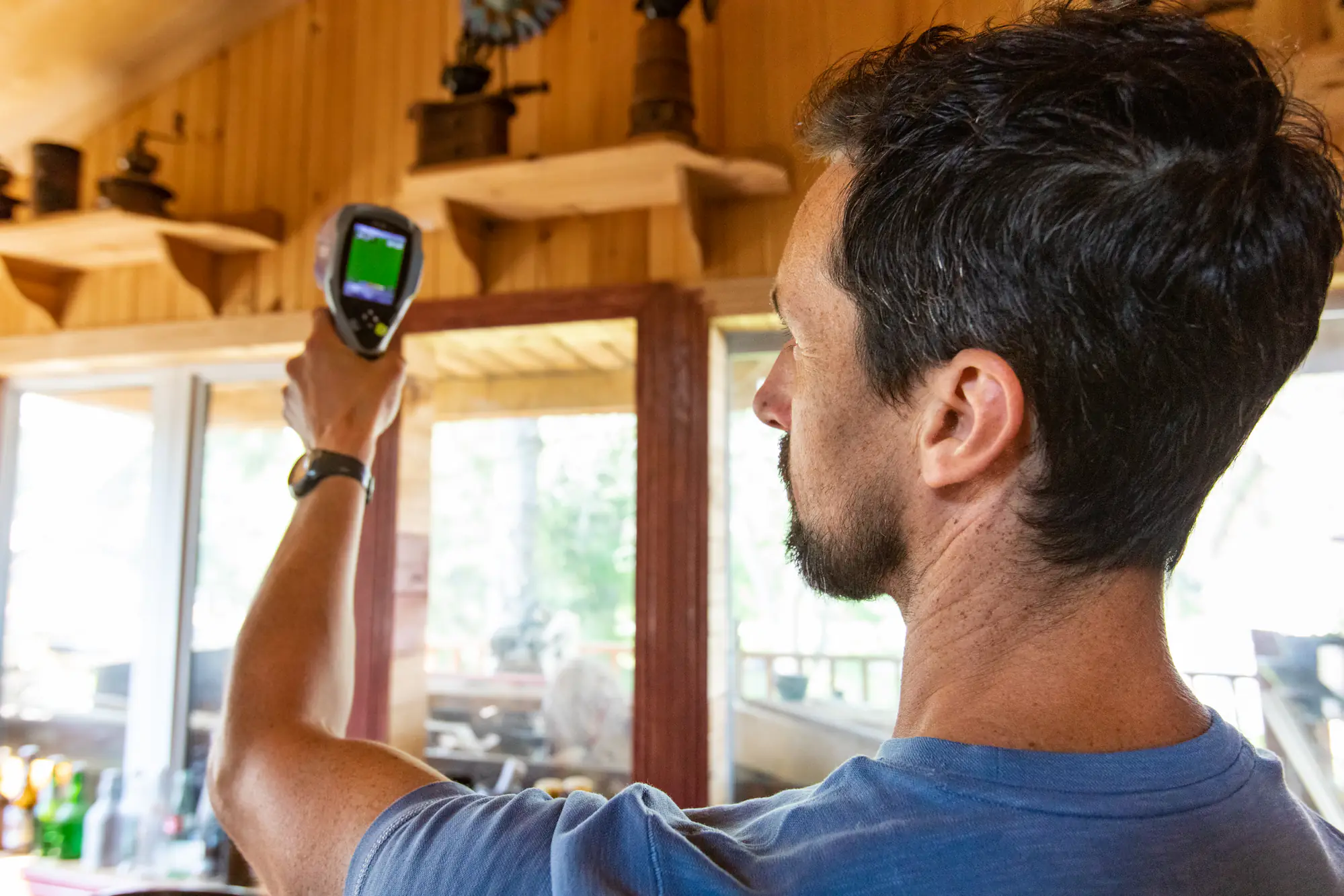
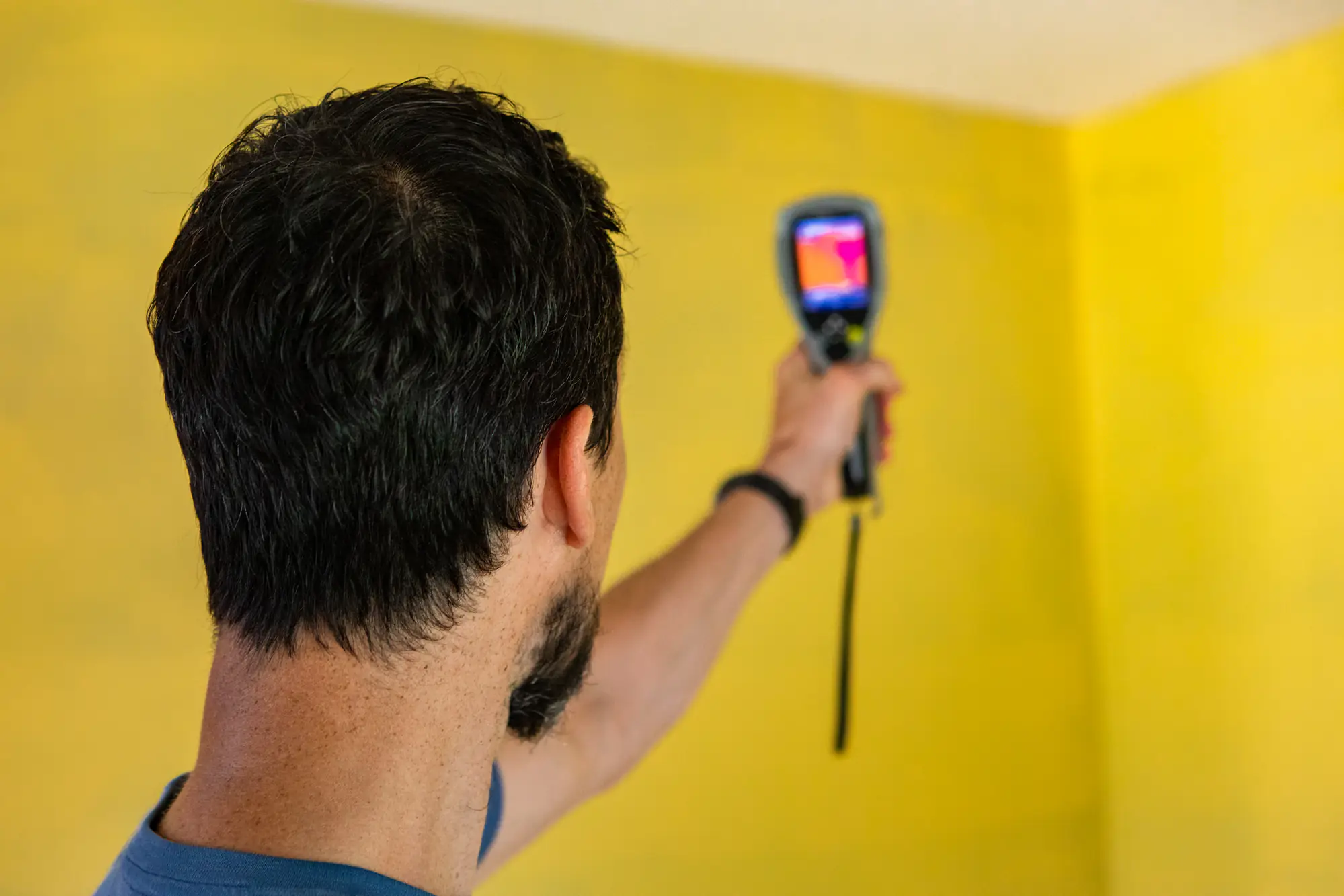
We use moisture meters and thermal imaging to find hidden water intrusion. Then we collect air samples and surface samples from suspected problem areas. Those samples go straight to a certified laboratory for analysis, not some in-house kit with a built-in bias.
Within a few days, you’ll get a full report that breaks down exactly what was found: mold type, spore count, contamination level. We’ll walk you through what it means in plain language. If remediation is needed, we’ll explain your options. If it’s not, we’ll tell you that too. And if you want a second opinion or prefer to hire someone else for the work, that’s completely fine. The testing stands on its own.
Ready to get started?
Every mold testing service we perform includes a full visual inspection of your property, moisture mapping with professional-grade meters, air quality sampling, and surface sampling where needed. We check the usual suspects—basements, bathrooms, kitchens—but we also inspect areas most homeowners never think about.
In Fair Hill, that often means looking at older foundations, checking for groundwater seepage, and testing air quality in homes with limited ventilation. Bucks County has seen a 5-10% increase in precipitation over recent years, and that means more moisture working its way into crawlspaces, behind siding, and under flooring.
We also provide documentation that works for insurance claims and real estate transactions. If you’re buying or selling a home, black mold test results from an independent inspector carry more weight than a report from the company trying to win the remediation contract. You’ll get lab-certified results, photos, moisture readings, and a written summary you can share with buyers, agents, or your insurance adjuster.
This isn’t a quick walk-through with a flashlight. It’s a systematic evaluation of your indoor environment.
Most residential mold testing in Fair Hill runs between $300 and $600, depending on the size of your home and how many samples we need to collect. A small condo with one problem area costs less than a 3,000-square-foot house with a finished basement and multiple moisture zones.
We give you upfront pricing before we start. No surprises, no upsells. If you only need air quality testing, that’s one price. If you need surface samples, moisture mapping, and a full inspection, that’s another. You’ll know the cost before we show up.
Some homeowners try the DIY test kits you can buy online for $40. Those might tell you mold is present, but they won’t tell you what type, how much, or whether it’s actually a health risk. And they definitely won’t hold up if you’re dealing with an insurance claim or a buyer who wants third-party verification.
A mold inspection is the visual assessment—we walk your property, check for visible growth, use moisture meters, and identify conditions that support mold. Mold testing goes further. We collect samples and send them to a lab for analysis.
You might need an inspection without testing if there’s obvious mold and you just want to know the extent. But if you’re experiencing health symptoms, buying a home, or trying to figure out whether that musty smell is actually mold, testing gives you definitive answers.
Testing also identifies the species. Not all mold is dangerous, but some types—like Stachybotrys, commonly called black mold—produce toxins that can cause serious respiratory issues, especially in kids and people with asthma. Lab results tell you exactly what you’re dealing with, so you’re not guessing or overreacting.
Once we collect samples and send them to the lab, results typically come back in 3 to 5 business days. Rush processing is available if you’re in the middle of a real estate transaction or dealing with a health emergency, but standard turnaround is usually fast enough for most situations.
When the report comes in, we don’t just email it and disappear. We’ll call you, walk through the findings, and explain what the spore counts mean in practical terms. If the lab found elevated levels of a particular mold species, we’ll tell you what that means for your health and your home.
You’ll also get a written summary you can keep for your records, share with your doctor, or hand over to a remediation company if you decide to move forward with cleanup. The report is yours—no strings attached.
Yes. Mold testing is non-invasive and doesn’t require you to leave. We’re not tearing into walls or releasing contaminants into the air. We’re collecting samples, taking readings, and documenting what’s already there.
The process usually takes 1 to 2 hours depending on the size of your home. You’re welcome to follow along and ask questions, or you can go about your day while we work. Some people prefer to be present so they can point out areas of concern—a bedroom where someone’s been coughing, a closet that always smells damp, a corner of the basement that stays wet.
If we do find mold and you move forward with remediation, that’s a different story. Depending on the extent of contamination, you may need to stay elsewhere during the removal process. But testing itself? You’re fine to stay put.
It depends on what caused the mold. If it’s the result of a covered event—like a burst pipe, a roof leak from storm damage, or a failed appliance—many policies will cover testing and remediation. If it’s from long-term neglect, poor ventilation, or gradual moisture buildup, probably not.
The best move is to call your insurance company before you schedule testing. Ask specifically whether mold inspection and lab analysis are covered under your policy, and whether you need their approval before hiring someone. Some insurers require you to use their preferred vendors. Others let you choose your own inspector as long as the report meets their standards.
Either way, having documentation from an independent mold testing company strengthens your claim. It shows you took the problem seriously, got professional analysis, and didn’t just hire the first remediation crew that knocked on your door. We’ve worked with plenty of Fair Hill homeowners through the claims process, and we know what insurance adjusters want to see.
Because that’s a conflict of interest. A company that profits from remediation has a financial incentive to find mold—or to make a small problem sound like a big one. Industry standards recommend third-party testing for exactly this reason.
When the same company tests and removes mold, there’s no accountability. They control the narrative. You don’t know if the problem is as bad as they say, and you have no way to verify their findings without paying someone else to retest after the fact.
Independent testing gives you leverage. You get unbiased results from a lab that has no stake in the outcome. If mold is present, you can get multiple remediation quotes and compare them. If it’s not, you just saved yourself thousands of dollars and a week of unnecessary construction. That’s why buyers, sellers, and insurance companies all prefer third-party mold inspections. It removes the guesswork and keeps everyone honest.
Other Services we provide in Fair Hill